

Direct Diagnostic Summary
Most homeowners never think about their main sewer line until dirty wastewater is already bubbling up through their basement floor drain. By that time, you are dealing with emergency dispatch costs, biohazard cleanup, and potential damage to stored belongings. Establishing a smart, preventative sewer rodding schedule keeps your line flowing freely and saves hundreds of dollars over emergency service.Key Factors That Determine Your Sewer Rodding Schedule
There is no universal, one-size-fits-all maintenance schedule that applies to every south suburban property. Establishing the optimal sewer rodding interval requires evaluating four specific structural, environmental, and behavioral variables:
1. Pipe Material and Neighborhood Era:
Homes constructed before 1970 across Oak Lawn, Evergreen Park, Burbank, Alsip, and Blue Island almost invariably rely on vitrified clay pipe (VCP) underground laterals. Because clay pipes were manufactured in short 2-foot or 3-foot stick lengths, a standard 50-foot residential lateral contains between 15 and 25 separate bell-and-spigot joint collars sealed with vintage oakum and concrete mortar. Over decades of subsoil movement and frost heave, these mortar joints crack, creating open pathways for tree roots that require rodding every 12 to 18 months. By contrast, post-1990 homes built with solvent-welded PVC pipes rarely experience root penetration and only require service on-demand.
2. Proximity and Species of Parkway Shade Trees:
Mature silver maples (Acer saccharinum), green ash, honey locusts, and willow trees planted in suburban parkways develop extensive root networks that extend two to three times beyond their visible branch drip line. In standard 25-foot to 50-foot suburban lots, a parkway tree planted between the sidewalk and curb is positioned directly above or immediately adjacent to the underground lateral.
3. Household Fixture Usage and Low-Flow Dynamics:
Modern high-efficiency front-loading washing machines and EPA WaterSense 1.28-gallon-per-flush toilets dramatically reduce residential water consumption. However, lower flush volumes also generate lower hydraulic velocity, reducing the force needed to push toilet paper and solid waste past fine root intrusions in 6-inch laterals. Large families running multiple daily laundry and dishwasher cycles experience faster waste accumulation against root tapestries, requiring tighter maintenance schedules.
Figure 01: Diagnostic field reference for How Often Should a South Suburban Home Have Its Sewer Rodded?Field Reference
Active Drainage Problem?
Speak with our south suburban dispatch coordinator
Free to call · Connected with independent local drain contractors
Free to call
No obligation
Independent local contractors
24/7 emergency dispatch
Written estimates on-site
The Annual Tree Root Growth Cycle in Cook County
Tree roots in northern Illinois follow a predictable biological growth cycle dictated by seasonal ground temperatures, moisture availability, and tree dormancy periods:
- Spring Surge (April – June):
As soil temperatures rise above 50°F and spring precipitation saturates the upper soil layers, trees break dormancy and produce plant growth hormones (auxins) that stimulate rapid root tip elongation. Delicate, microscopic root hairs aggressively search for loose soil and micro-cracks in aging sewer mortar joints.
- Summer Drought Expansion (July – August):
Hot summer weather and extended dry spells deplete moisture in the upper 18 to 24 inches of topsoil. Parkway trees experience moisture stress and push root systems deeper into the subsoil, actively guided by humidity gradients (hydrotropism) emanating from underground sewer laterals where household greywater provides a constant, 60°F water source.
- Autumn Woodification (September – November):
During early autumn, tree roots transition from cellular elongation to secondary radial thickening (woodification). The tender root hairs that entered the pipe during spring and summer swell into tough, woody root tapestries that mimic the interior pipe diameter and resist water flow.
- Winter Sub-Slab Conditions (December – March):
Although topsoil freezes solid down to 36–42 inches, underground sewer laterals buried 6 to 9 feet deep remain insulated, warmed continuously by household discharges from showers, dishwashers, and laundry. Slow root activity continues throughout the winter months.
Because roots achieve their maximum woody density by late summer, scheduling preventative rodding in early autumn (September through November) severs root growth before winter freezes and heavy spring rains trigger basement backups.
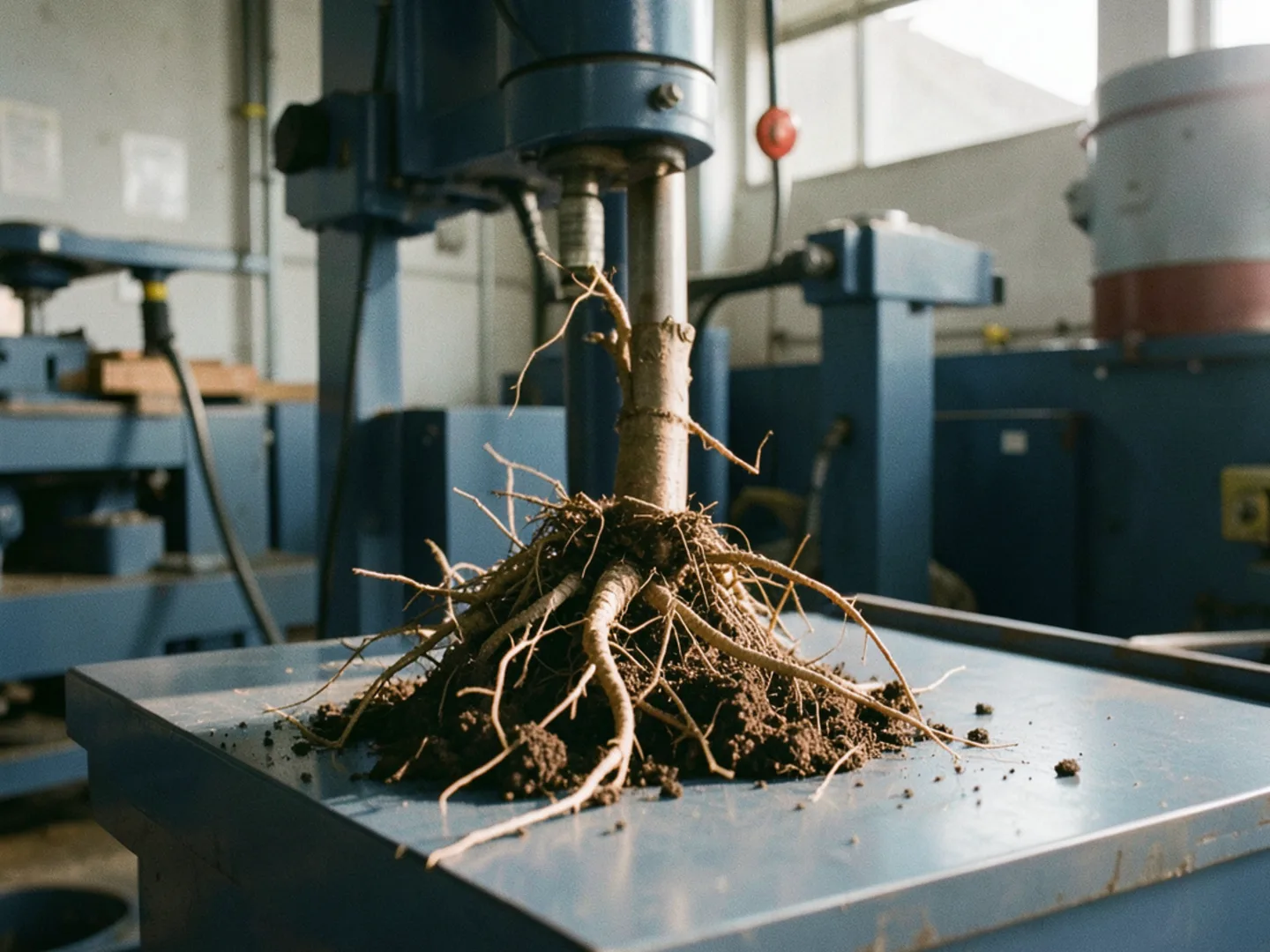
Figure 02: Diagnostic field reference for How Often Should a South Suburban Home Have Its Sewer Rodded?Field Reference
Early Warning Signs That Your Sewer Lateral is Nearing Capacity
A main sewer line rarely backs up without providing subtle preliminary warning symptoms. Recognizing these early hydraulic distress signals allows homeowners to schedule daytime preventative rodding before sewage rises through basement floor drains:
1. The "Washing Machine Drain Test":
A clothes washer discharges 20 to 30 gallons of soapy wastewater in less than two minutes. If your main lateral is restricted by roots, the pipe cannot evacuate this sudden volume by gravity. Listen carefully to the lowest fixtures in the home: if you hear gurgling or burping from a basement floor drain, utility sink, or toilet bowl while the washer drains, air is being forced backward by rising wastewater.
2. Siphoning Fixture P-Traps and Sewer Gas Odors:
When water rushes past an underground root restriction, it creates a partial vacuum in the drainage stack that can siphon water out of basement floor drain traps. An empty P-trap allows noxious sewer gases (methane and hydrogen sulfide) to escape into your basement living area.
3. Fluctuating Toilet Bowl Water Levels:
If the standing water in a ground-floor or basement toilet drops unusually low or rises and bubbles when an upstairs shower or bath drains, the lateral is operating under restricted hydraulic capacity.
Figure 03: Diagnostic field reference for How Often Should a South Suburban Home Have Its Sewer Rodded?Field Reference
Cost Savings: Scheduled Maintenance vs. Emergency Dispatch
The economic justification for maintaining a strict preventative sewer rodding schedule is compelling when compared against the catastrophic expenses of an active basement flood:
- Scheduled Daytime Preventative Rodding ($225 – $350):
During a scheduled daytime service call, you choose the appointment window. The independent contractor has time to open the cleanout carefully, run multiple progressive blade passes with expanding spring-steel cutters, and conduct a high-volume water flow test. The basement remains completely clean and dry, with zero disruption to household routines.
- Emergency After-Hours Flood Recovery ($3,500 – $8,000+):
An active sewer backup rarely happens at a convenient time; it typically strikes late at night during a rainstorm or on a holiday weekend. Emergency service calls carry off-hours dispatch premiums ($350–$650). More importantly, the resulting Category 3 blackwater contamination demands professional biohazard water extraction ($2,500–$4,500), appliance motor and water heater replacement ($1,500–$3,500), and insurance deductible expenses.
Investing in regular preventative rodding every 12 to 18 months represents pennies on the dollar compared to the out-of-pocket costs of flood remediation.
Figure 04: Diagnostic field reference for How Often Should a South Suburban Home Have Its Sewer Rodded?Field Reference
Expert Insights: How Camera Audits Transform Guesses Into a Precise Maintenance Schedule
Historically, south suburban homeowners guessed at their rodding frequency based on when their basement last flooded. Modern diagnostic video camera inspection technology replaces guesswork with empirical, visual evidence of pipe condition.
By commissioning a high-resolution color camera inspection following a mechanical rodding pass, a technician records the exact internal status of your lateral from foundation cleanout to municipal street connection:
1. Quantifying Root Intrusion Severity:
The video recording reveals whether root growth is confined to one or two minor joint collars near the parkway curb or represents systemic penetration across every 3-foot clay section. Isolated root growth can often be managed with a relaxed 18-to-24-month rodding schedule, whereas systemic intrusion requires strict 12-month annual clearing.
2. Detecting Structural Offsets and Bellies:
The camera identifies physical defects that rodding blades cannot correct, such as joint offsets (where ground shifting has dropped one pipe section) or pipe sags (bellies) that trap standing water and grease. If bellies are present, combining mechanical rodding with biennial high-pressure hydro jetting keeps the line clear.
3. Verifying PVC or CIPP Liner Integrity:
If previous owners installed a trenchless cured-in-place pipe (CIPP) liner or modern PVC lateral, camera verification confirms that the structural sleeve remains joint-free and impervious to roots, allowing the homeowner to safely defer routine rodding for 3 to 5 years.
Recommended Sewer Rodding Intervals by Home Profile
Comparative mechanical metrics and local south suburban cost drivers.
| Home Era & Pipe Type | Tree Proximity | Recommended Rodding Interval |
|---|---|---|
| 1910s – 1950s Vitrified Clay | Mature parkway trees within 25 ft | Every 12 months (Annual preventative) |
| 1950s – 1970s Vitrified Clay | Moderate trees / small lawn trees | Every 18 to 24 months |
| 1970s+ Cast Iron / Ductile | No major trees near lateral | Every 2 to 3 years (Descaling check) |
| Modern PVC (Subdivision) | Any landscaping | As needed / On-demand only (unless wipes flushed) |
| Commercial Restaurant / Kitchen | High-volume dining | Every 1 to 3 months (Hydro jetting recommended) |
Cited Research & Regulatory Authorities
The technical guidance and municipal standards referenced in this guide are informed by official state, regional, and industry publications:
- Homeowner Guide to Sewer System Maintenance · Water Environment Federation (WEF)
- Tree Root Biology and Infrastructure Protection · International Society of Arboriculture (ISA)
- Preventative Municipal Drainage Standards · American Public Works Association (APWA)