
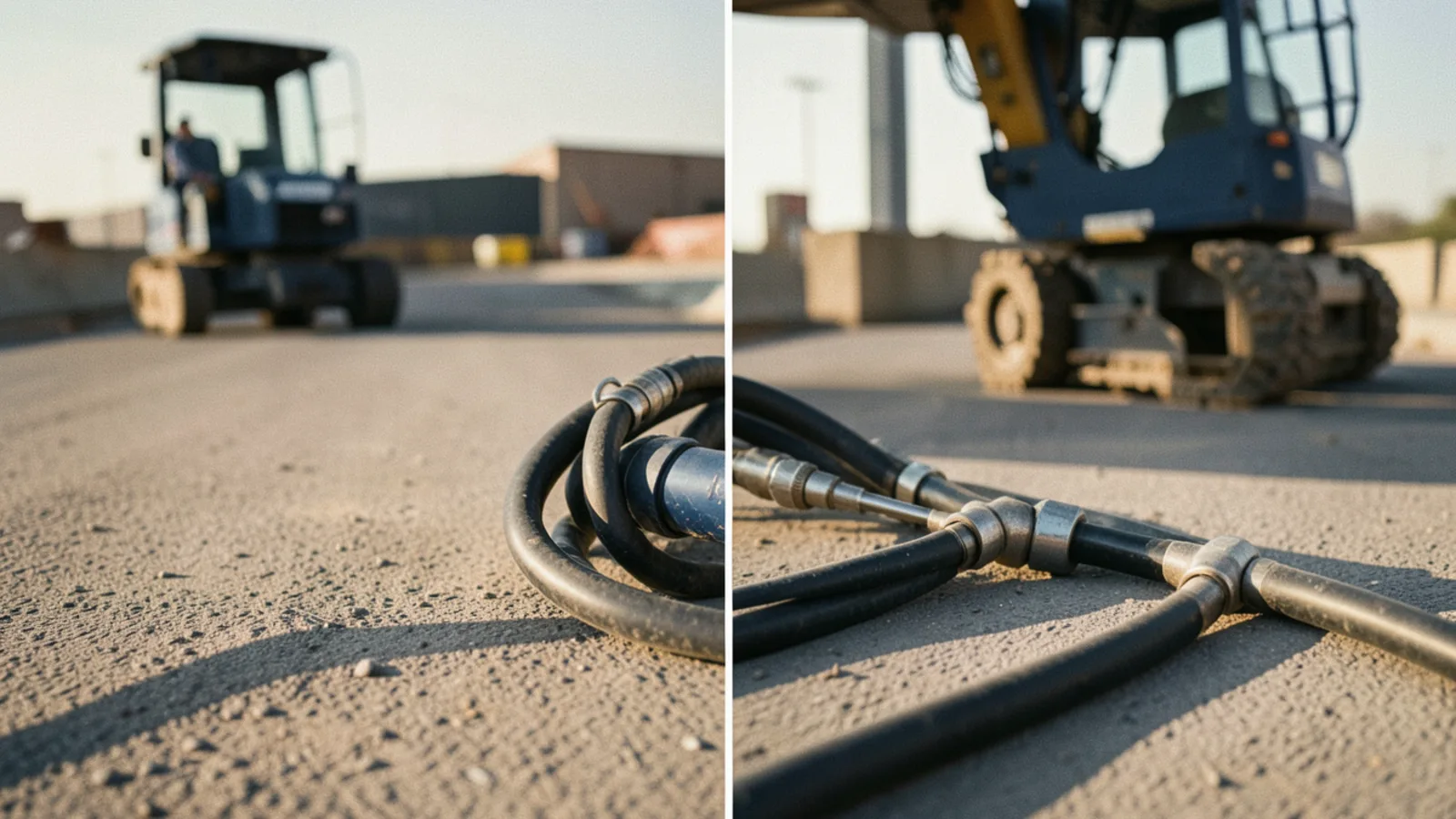
Direct Diagnostic Summary
When your sewer line clogs or backs up, professional contractors rely on two primary technologies to clear the line: motorized cable rodding and high-pressure hydro-jetting. While both methods restore water flow, they operate on completely different mechanical principles and excel in different situations. Understanding when to choose rodding and when hydro-jetting is necessary helps you make the most cost-effective decision for your property.How Mechanical Cable Rodding Works
Mechanical sewer rodding utilizes heavy-duty electric power-drive machinery to rotate industrial tempered steel cables through an underground drainage lateral. In south suburban residential applications, dispatched independent specialists utilize 11/16-inch or 3/4-inch continuous inner-core aircraft-grade steel cables, which offer exceptional resistance to twisting, kinking, and structural fatigue under high torque.
At the leading tip of the rotating cable, technicians attach specialized steel cutting heads engineered for specific obstruction profiles. For dense tree root intrusions, expandable dual spring-steel C-cutter blades or spiral saw-tooth augers are mounted to the cable head. As the machine turns the cable at 200 to 250 RPM, these hardened carbon-steel blades spin against the inner circumference of the 4-inch or 6-inch pipe.
The spinning blades exert direct mechanical shearing force, physically chopping, slicing, and boring through dense root tapestries, compacted toilet paper, and hardened physical obstructions. Importantly, mechanical rodding provides tactile feedback to the operator: an experienced technician feels the resistance of pipe offsets, scale buildup, or dense root balls through the cable feed control, adjusting thrust and rotational speed to prevent pipe damage or cable binding.
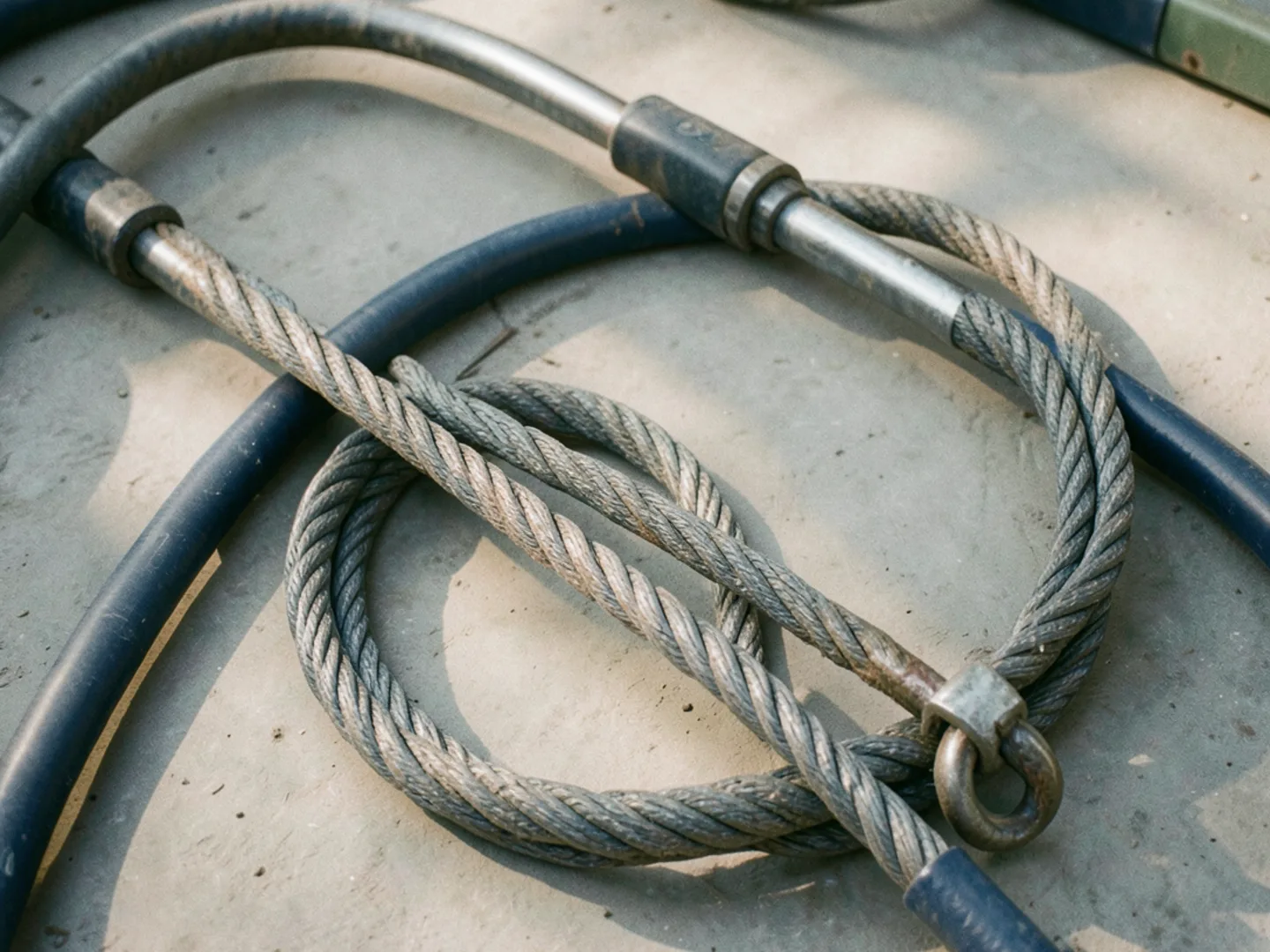
Figure 01: Diagnostic field reference for Rodding vs. Hydro Jetting: Which Does Your Sewer Line Need?Field Reference
Active Drainage Problem?
Speak with our south suburban dispatch coordinator
Free to call · Connected with independent local drain contractors
Free to call
No obligation
Independent local contractors
24/7 emergency dispatch
Written estimates on-site
How High-Pressure Hydro Jetting Cleans the Pipe Wall
Hydro jetting, by contrast, operates on the principles of advanced fluid dynamics and high-velocity hydraulic scouring. A truck- or trailer-mounted industrial positive displacement pump pressurizes clean water to between 3,000 and 4,000 pounds per square inch (PSI), delivering a continuous high-volume stream of 12 to 18 gallons per minute through a specialized, wire-braided thermoplastic hose.
At the terminus of the jetter hose, an engineered stainless steel nozzle directs this water energy through precision laser-drilled orifices. Forward-firing central jets (0 to 15 degrees) act like a hydraulic drill, piercing through stubborn grease clogs and compacted sludge plugs. Simultaneously, multiple rear-facing orifices (angled backward at 30 to 45 degrees) discharge high-pressure water streams against the pipe walls.
These reverse jets produce immense hydraulic thrust, propelling the lightweight hose up to 200 feet deep into the sewer line without mechanical pushing. As the technician slowly retrieves the hose against this forward pull, the backward-directed water streams scour the full 360-degree circumference of the pipe, shearing soft root hairs, peeling away years of hardened cooking grease, and washing all suspended debris safely into the municipal street main.
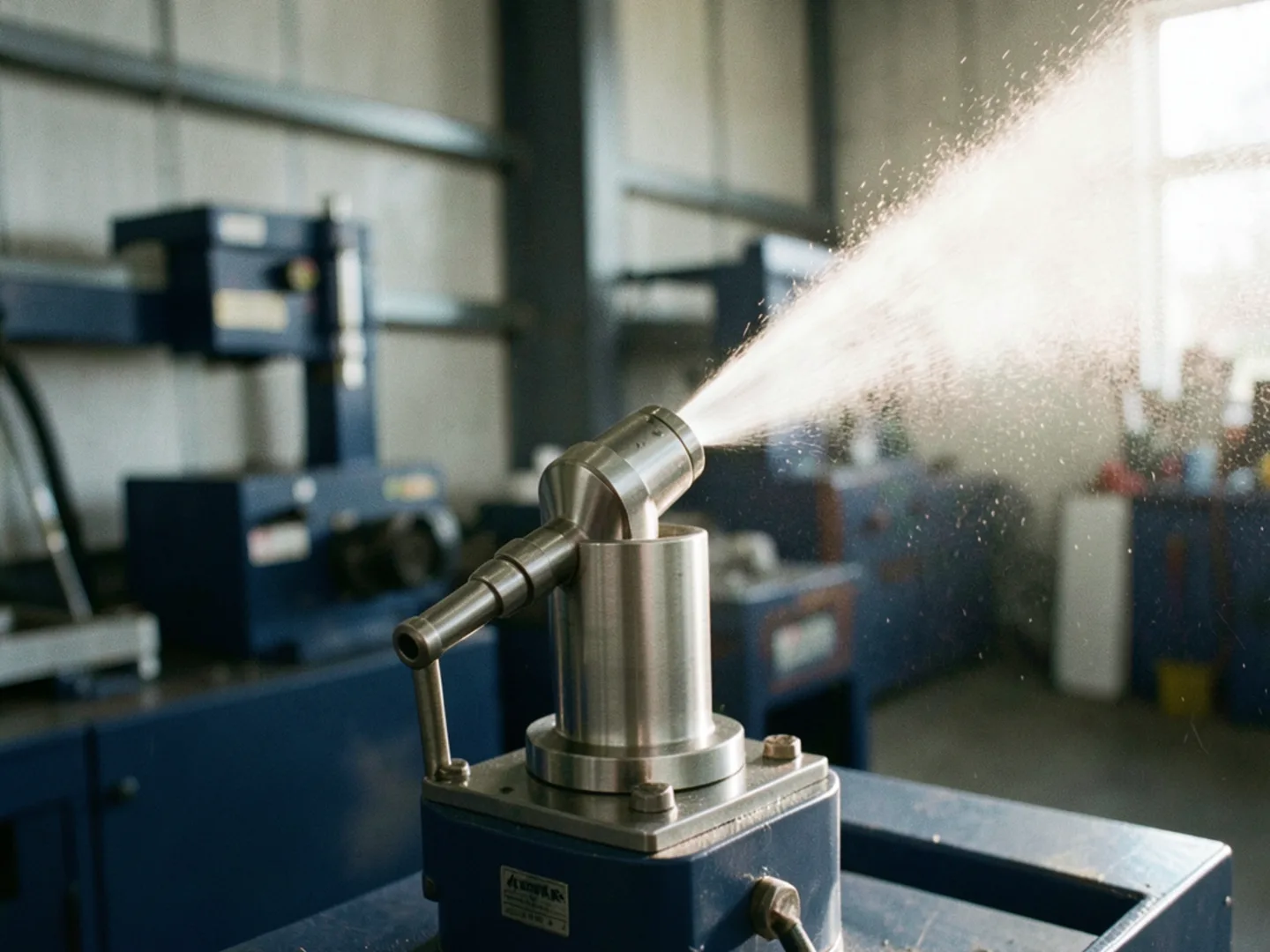
Figure 02: Diagnostic field reference for Rodding vs. Hydro Jetting: Which Does Your Sewer Line Need?Field Reference
When Mechanical Rodding is the Superior Choice
Mechanical cable rodding remains the undisputed first-line technology for several common plumbing scenarios across Cook County:
1. Heavy, Established Parkway Tree Root Masses: Thick, woody taproots from century-old silver maples and green ash trees possess high tensile strength that readily deflects high-pressure water streams. Mechanical steel blades provide the direct cutting torque required to physically sever woody trunks and collars flush with the pipe walls.
2. Active Emergency Backups and Flooded Basements: When a lateral is completely obstructed and sewage has already filled the pipe, introducing high-pressure water jetting is hazardous. A jetter discharges 15 gallons of water per minute; if the blockage does not immediately yield, that additional water overflows into the home. Mechanical rodding pierces the plug and relieves standing hydraulic head pressure with zero added water.
3. Fragile, Shifted, or Unknown Pipe Conditions: In vintage vitrified clay installations with heavily cracked hubs or unknown structural stability, aggressive 4,000 PSI water blasting can erode surrounding soil or dislodge loose clay shards. Mechanical rodding is far gentler on aged pipe geometry.
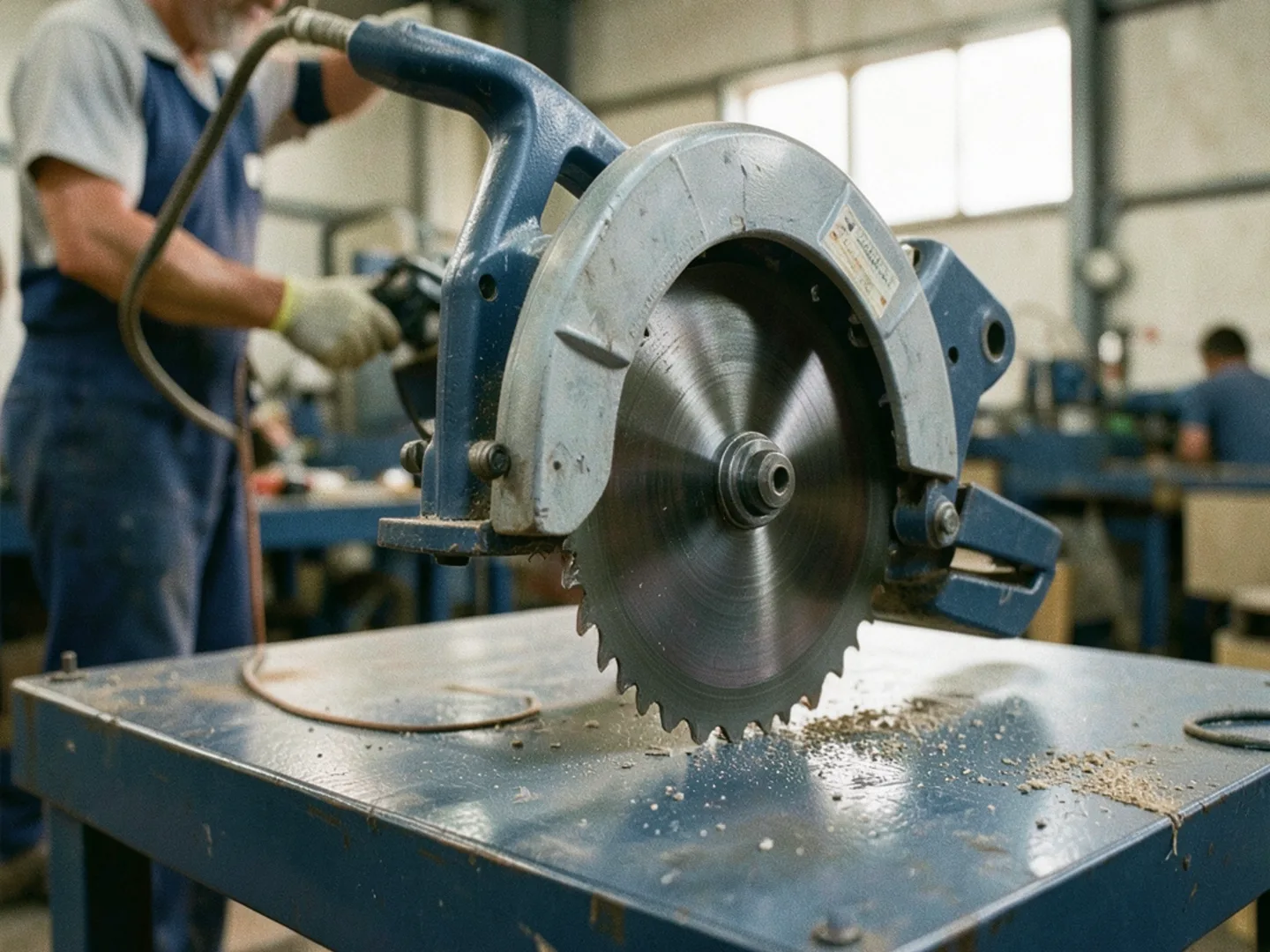
Figure 03: Diagnostic field reference for Rodding vs. Hydro Jetting: Which Does Your Sewer Line Need?Field Reference
When Hydro Jetting is Technically Required
Hydro jetting is the only engineered solution capable of addressing soft accumulation, pipe wall scaling, and commercial grease buildup:
1. Commercial Kitchen and Restaurant Grease Lines: Along busy commercial corridors like 95th Street in Oak Lawn, Harlem Avenue in Bridgeview, or Cicero Avenue in Burbank, food service kitchens discharge heavy fats, oils, and grease (FOG). Mechanical rodding merely pokes a temporary 2-inch hole through soft grease, which quickly reseals like warm butter. Hydro jetting thoroughly emulsifies and strips grease down to bare pipe material.
2. Cast-Iron Rust Scale and Tuberculation: Decades-old cast-iron building drains develop jagged internal rust blisters (tuberculation) that narrow pipe diameter and snag toilet paper. Rotating jetter nozzles or chain knocker heads scour this corrosion off, restoring original flow capacity.
3. Sludge, Sand, and Construction Sediment: Sand, silt, and construction slurry settling in low pipe bellies cannot be moved by rotating rodding blades. High-velocity water jets flush heavy sediment completely out of the system.
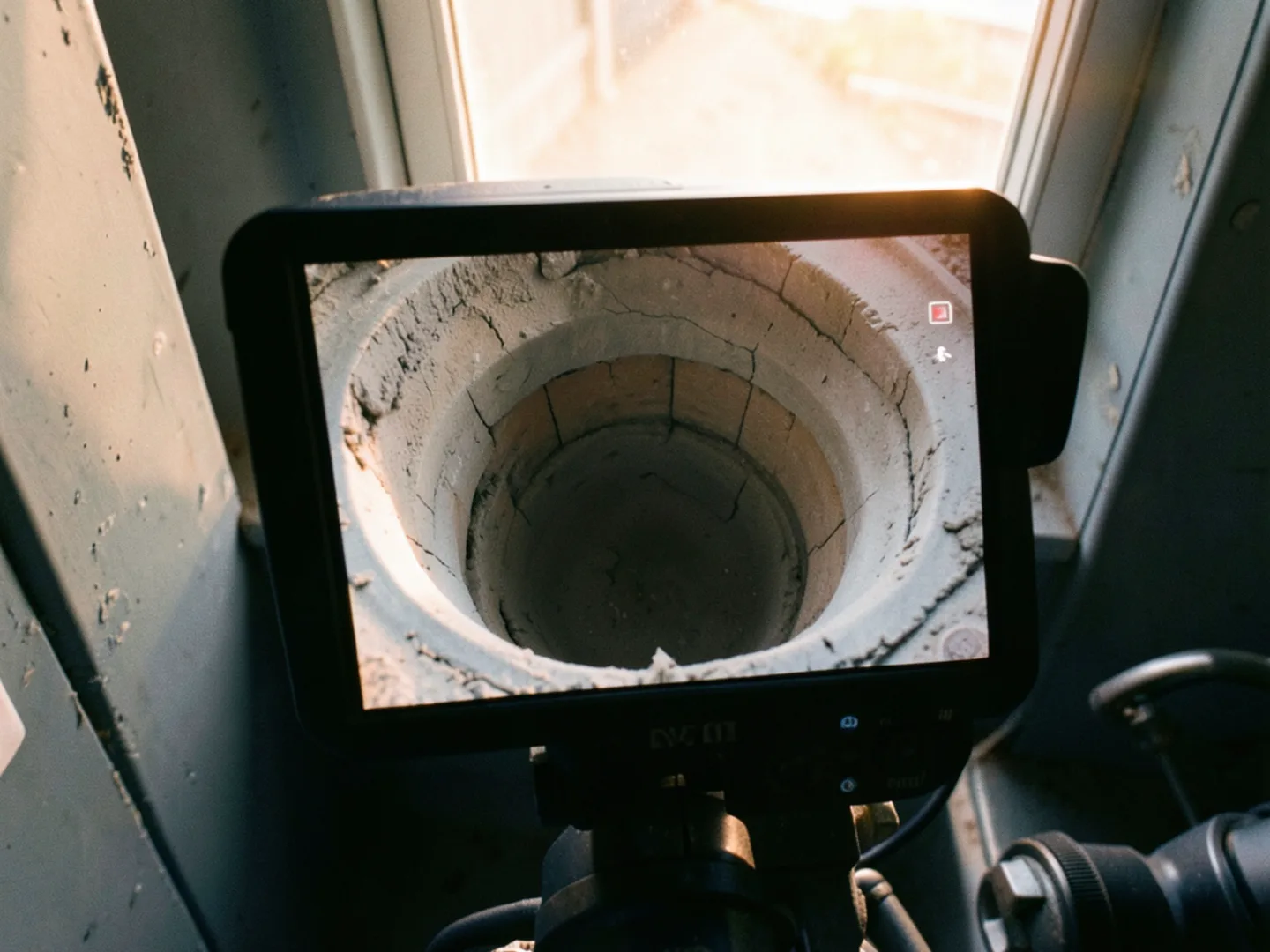
Figure 04: Diagnostic field reference for Rodding vs. Hydro Jetting: Which Does Your Sewer Line Need?Field Reference
Expert Insights: The Dual-Method Hybrid Protocol for South Suburban Sewers
In many south suburban homes experiencing chronic sewer issues, the most effective engineering solution is not choosing between rodding and hydro jetting, but deploying both technologies in a coordinated, two-stage hybrid protocol.
Stage One focuses on mechanical relief: the dispatched independent specialist uses a heavy rodding machine with expanding spring-steel blades to puncture the blockage, release standing wastewater, and shear the heavy structural cores of tree roots. This opens the airway and restores gravity drainage without risking water overflows.
Stage Two deploys calibrated hydro jetting: with the water level lowered and flow established, a technician introduces a high-pressure jetter nozzle operating at approximately 3,200 PSI. The water blast washes away severed root debris, scours fine root fuzz that rodding blades skipped over, and strips greasy biofilm from the pipe crown. The service concludes with a digital video camera inspection, providing the homeowner with transparent video proof that the lateral is clean, open, and structurally intact from foundation to municipal main.
Mechanical Sewer Rodding vs. High-Pressure Hydro Jetting
Comparative mechanical metrics and local south suburban cost drivers.
| Feature | Sewer Rodding | Hydro Jetting |
|---|---|---|
| Primary Mechanism | Motorized rotating steel cable with cutting blades | High-pressure water (up to 4,000 PSI) with reverse jet nozzles |
| Best Suited For | Heavy tree roots, solid obstructions, emergency backup relief | Commercial cooking grease, cast-iron rust scale, sand/sludge |
| Wall Cleaning Coverage | Cuts obstruction path; trims roots along blade perimeter | Complete 360-degree wall scouring down to bare pipe material |
| Typical Suburban Cost | $225 – $450 (Standard cleanout access) | $375 – $750+ (Includes pre/post camera audit) |
| Pipe Safety Considerations | Gentle on older clay when properly sized; tactile feedback | Requires sound pipe structure; camera inspection needed first |
Cited Research & Regulatory Authorities
The technical guidance and municipal standards referenced in this guide are informed by official state, regional, and industry publications:
- Drain and Sewer Cleaning Best Practices Manual · Water & Wastewater Equipment, Manufacturers and Associates (WWEMA)
- Pipeline Cleaning Standards and Safety · National Association of Sewer Service Companies (NASSCO)
- Comparative Analysis of Mechanical vs. Hydraulic Sewer Cleaning · Journal of Pipeline Systems Engineering