
Direct Diagnostic Summary
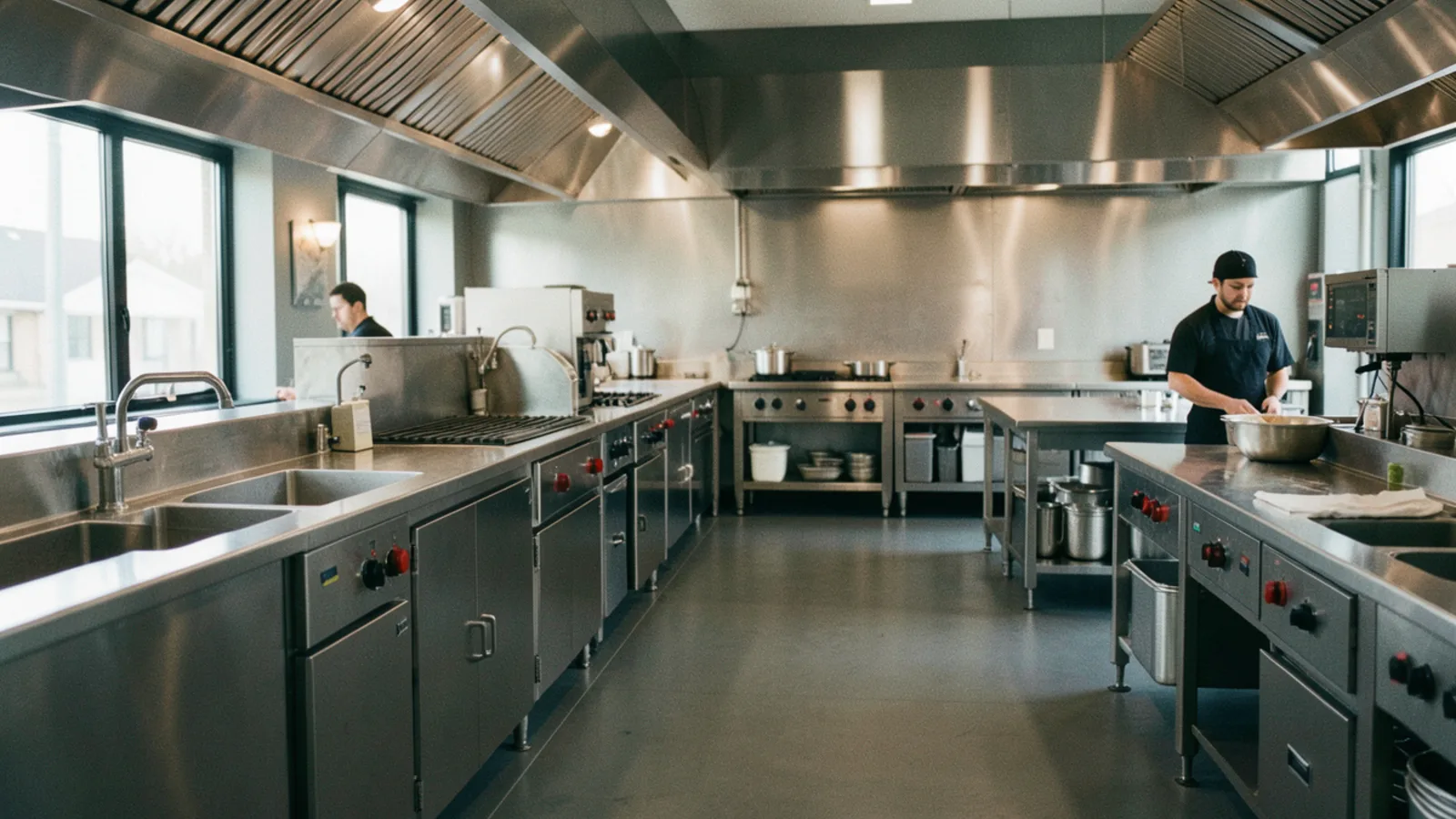
For restaurants, diners, and commercial food service facilities operating along bustling commercial corridors like Cicero Avenue, Harlem Avenue, and LaGrange Road, kitchen drainage is the lifeblood of daily operations. A backed-up grease line during a Friday dinner rush means shut-down dishwashing stations, noxious dining room odors, and severe health department violations. Here is how south suburban food operators keep grease lines free-flowing and fully compliant with municipal codes.How Fats, Oils, and Grease (FOG) Behave in Commercial Laterals
Commercial food service facilities generate substantial daily volumes of fats, oils, and grease (FOG) from commercial deep fryers, flat-top grills, sauté stations, and continuous multi-rack warewashing dishmachines. When hot, soapy wastewater discharges from three-compartment pot sinks, it appears to flow smoothly because water temperatures between 130°F and 150°F keep animal fats (tallow, lard) and vegetable oils in a temporary chemical emulsion with commercial dishwashing detergents.
However, as this wastewater travels through horizontal cast-iron or PVC branch lines buried beneath the kitchen floor slab or routed beneath exterior parking lots, ground thermal conduction rapidly cools the liquid stream below 105°F. At this threshold, the detergent emulsion breaks down completely.
Free lipids separate from the water stream, float to the surface, and cool against the upper perimeter (crown) of the pipe. Over successive meal prep and dishwashing shifts, this congealed grease hardens into a dense, rubbery collar that narrows the effective hydraulic diameter of 3-inch, 4-inch, or 6-inch laterals down to a tiny opening. When high-volume dishmachines drain simultaneously during peak dinner rush, the restricted lateral cannot evacuate the volume by gravity, forcing grease-laden wastewater up through kitchen floor drains and mop sinks.
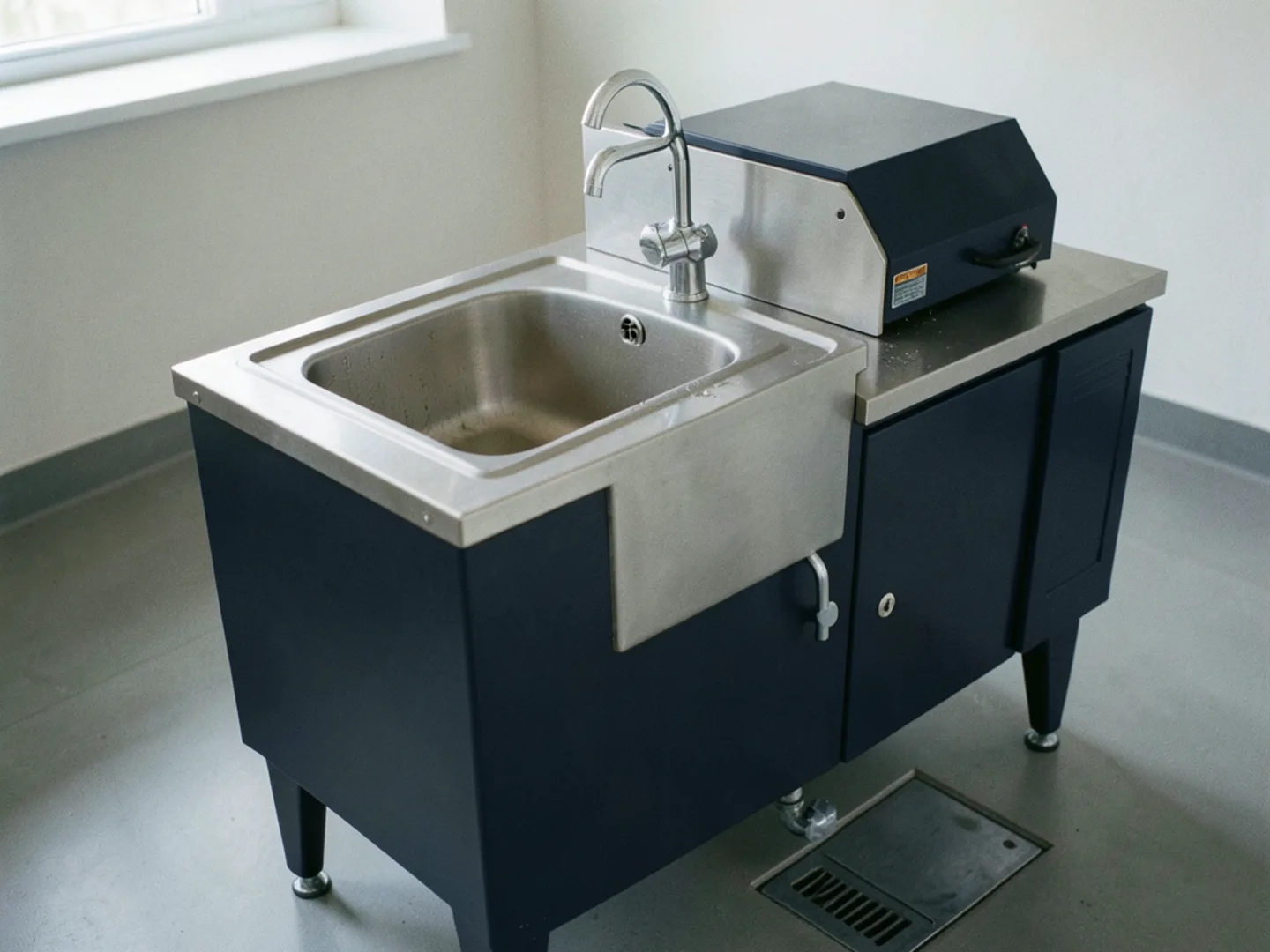
Figure 01: Diagnostic field reference for Grease Line Maintenance for Restaurants on Cicero, Harlem and LaGrangeField Reference
Active Drainage Problem?
Speak with our south suburban dispatch coordinator
Free to call · Connected with independent local drain contractors
Free to call
No obligation
Independent local contractors
24/7 emergency dispatch
Written estimates on-site
Municipal Grease Regulations in Oak Lawn, Bridgeview, and Orland Park
Municipal public works departments and local health agencies across south Cook County—including the Village of Oak Lawn, Bridgeview, and Orland Park—strictly enforce municipal Fats, Oils, and Grease (FOG) ordinances under the regulatory authority of the Metropolitan Water Reclamation District of Greater Chicago (MWRD) Sewage and Waste Control Ordinance and the Illinois Food Service Sanitation Code (77 Ill. Admin. Code 750).
These municipal environmental regulations mandate that commercial food establishments ensure discharge wastewater does not exceed a maximum allowable grease threshold of 100 milligrams per liter (mg/L). Commercial kitchens are legally required to maintain functioning hydro-mechanical grease traps or exterior in-ground concrete interceptor vaults, keep an on-site sampling manhole accessible for unannounced municipal grab sampling, and retain three years of documented grease pumping manifests on the premises.
Failure to maintain kitchen lines and interceptors exposes facility operators to severe municipal enforcement: daily compliance fines ranging from $500 to $2,500, utility surcharges for clearing public street mains, and emergency operational shutdown orders from local health inspectors.
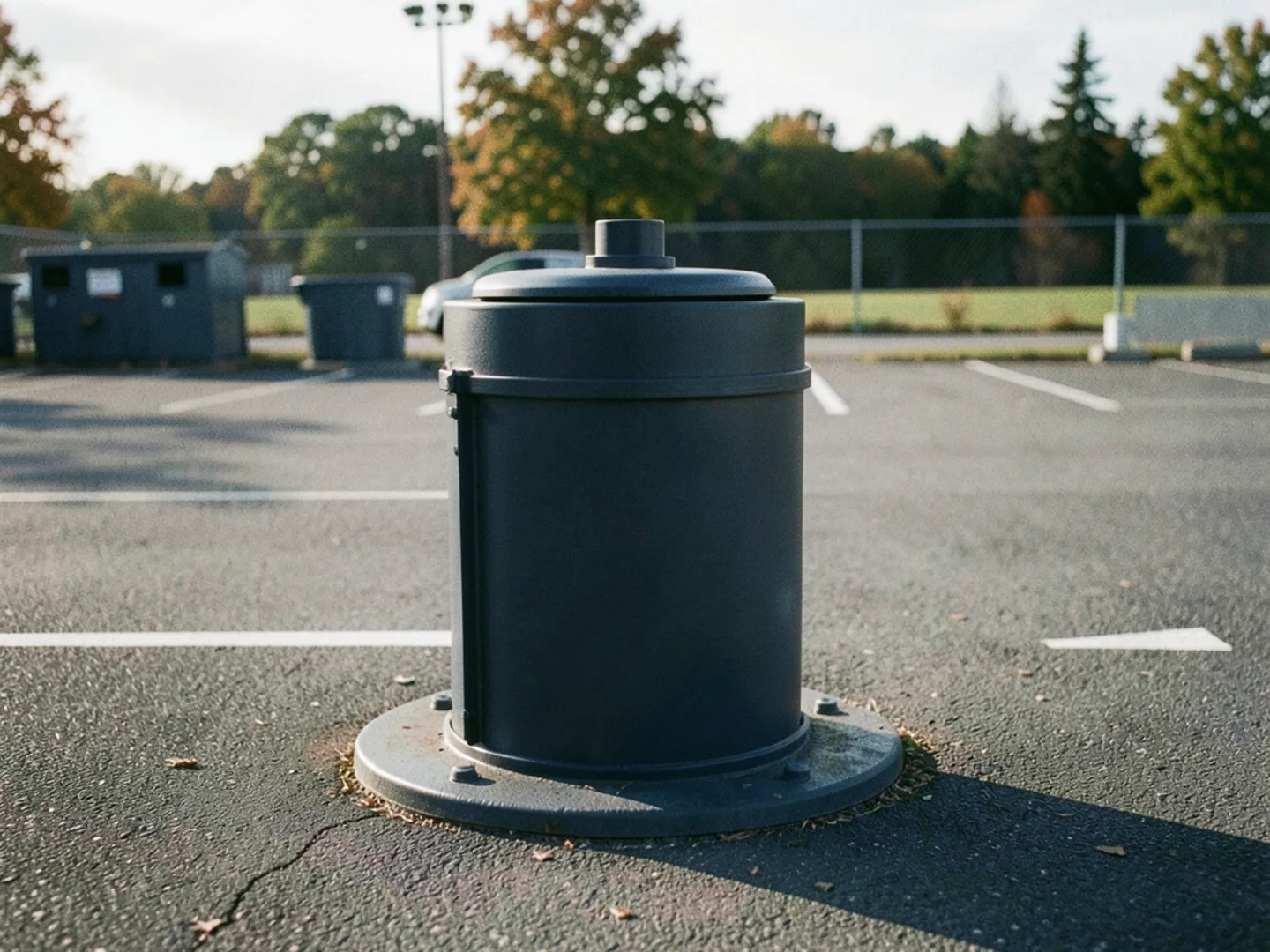
Figure 02: Diagnostic field reference for Grease Line Maintenance for Restaurants on Cicero, Harlem and LaGrangeField Reference
Why Snaking Grease Lines Fails and Hydro Jetting is Required
When a commercial kitchen floor drain begins gurgling or backing up, calling an entry-level service to run a traditional mechanical drain snake is a costly operational mistake. A rotating steel cable equipped with a 2-inch spade or auger head merely punctures a narrow pilot hole through soft, congealed grease.
Because solidified cooking grease behaves like chilled butter, the viscous grease slumps back inward as soon as the cable is retrieved, or catches the very next shift’s dishwashing solids. Within 24 to 72 hours, the line clogs again, triggering a second emergency service call and risking kitchen shutdowns.
Commercial kitchens require high-pressure hydro-jetting operating between 3,500 and 4,000 PSI delivering high-volume water (12 to 18 gallons per minute) through specialized rotating degreasing nozzles (such as spinner heads or carbide nozzle assemblies). As the high-velocity fan jets rotate against the full 360-degree pipe perimeter, they shear grease deposits off the pipe crown, pulverizing hardened FOG into microscopic suspended droplets that flush completely out of the lateral without re-adhering.
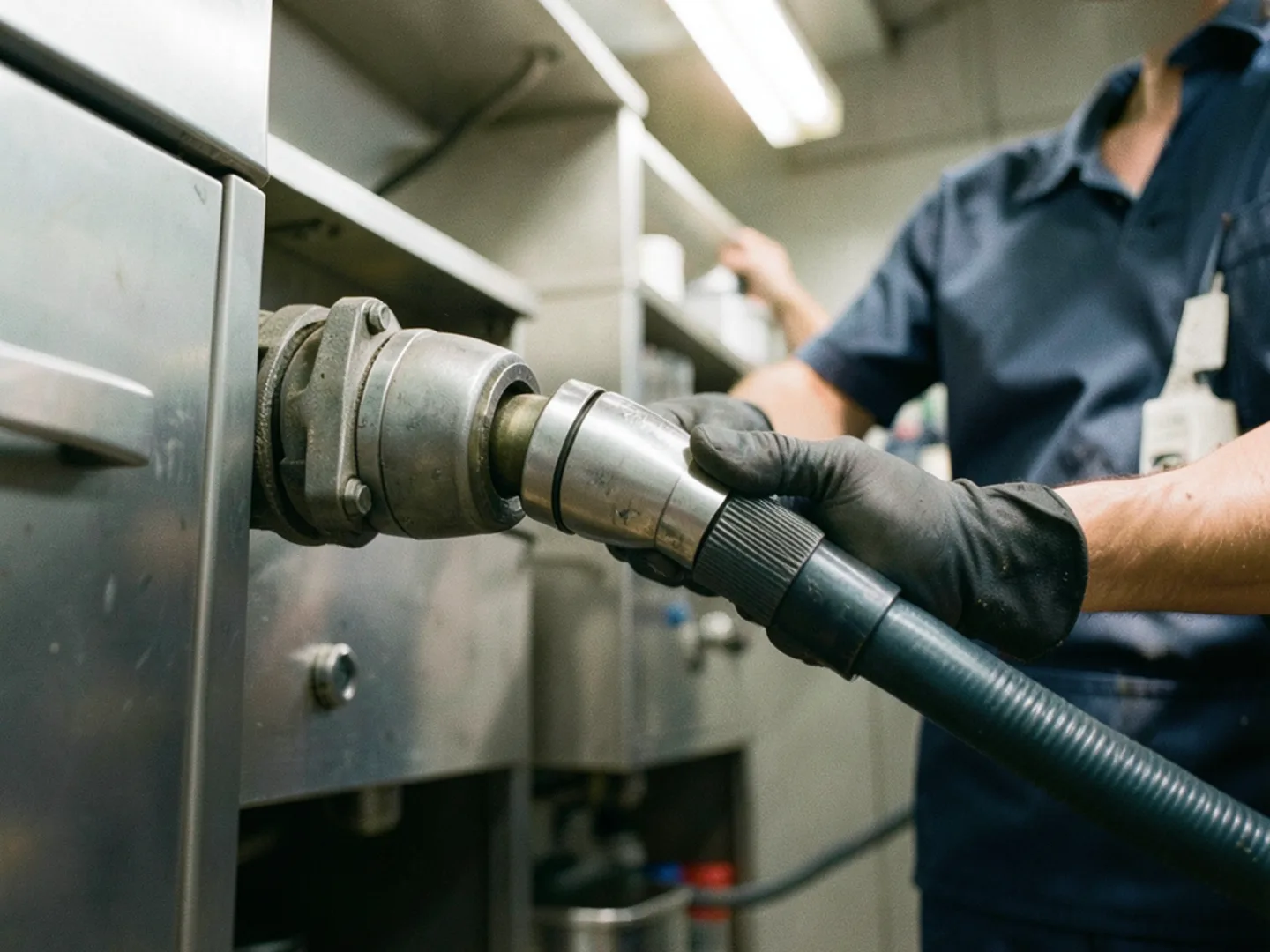
Figure 03: Diagnostic field reference for Grease Line Maintenance for Restaurants on Cicero, Harlem and LaGrangeField Reference
Establishing an Effective Kitchen Preventative Maintenance Schedule
The most profitable and reliable food service operations along Cicero Avenue, Harlem Avenue, and LaGrange Road maintain strict two-tier preventative maintenance protocols that prevent unexpected plumbing emergencies:
1. Internal Back-of-House Kitchen Operating Procedures:
- Dry-Scraping Protocols: Mandate that all sauté pans, sheet pans, and customer dishware be thoroughly dry-scraped with silicone spatulas into solid waste trash bins before soaking or rinsing.
- Fryer Oil Management: Prohibit kitchen staff from draining hot fryer oil or wash water into floor sinks; all spent cooking oil must be transferred to outdoor rendering collection drums.
- Sink Strainer Baskets: Install fine stainless steel mesh strainer baskets in all prep sinks, three-compartment pot sinks, and floor sink receivers, cleaning them after every prep shift.
2. Scheduled Commercial Hydro-Jetting Intervals:
- High-Volume / Deep-Fry / Fast-Food Establishments (Fried chicken, burger drives, buffets): Monthly hydro-jetting.
- Standard Full-Service Restaurants, Diners, and Pubs: Bi-monthly or quarterly hydro-jetting.
- Moderate-Grease Pizzerias and Italian Dining: Every 90 to 120 days.
- Low-Grease Delis, Bakeries, and Coffee Shops: Semi-annual preventative jetting.
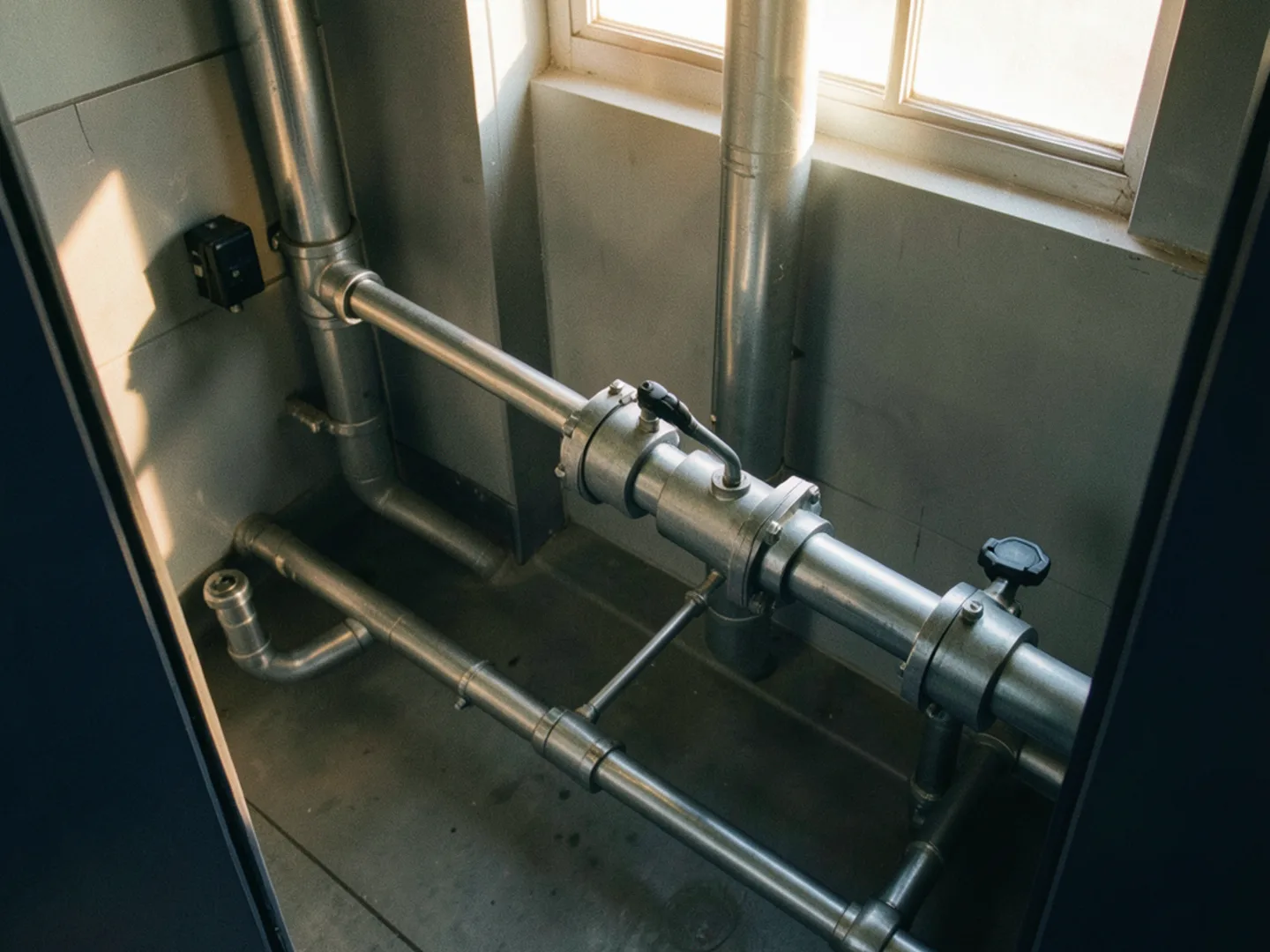
Figure 04: Diagnostic field reference for Grease Line Maintenance for Restaurants on Cicero, Harlem and LaGrangeField Reference
Expert Insights: Grease Traps vs. Lateral Lines — Why Pumping is Only Half the Battle
One of the most frequent points of confusion among south suburban restaurant general managers is the fundamental difference between grease trap pumping and lateral line jetting. Many operators express frustration when kitchen floor sinks overflow only days after an interceptor was pumped.
Understanding the distinct components of your facility drainage system explains why pumping alone is insufficient:
1. Grease Interceptor Pumping Cleans the Retention Vessel Only:
Whether your facility utilizes a 50-pound stainless steel under-sink unit or a 1,500-gallon outdoor concrete vault in the parking lot, pumping companies only evacuate the floating grease cap and settled food debris held *inside the tank chamber*. Pumping does zero cleaning of the connecting underground pipes.
2. Lateral Line Jetting Cleans the Active Conduit:
The 40 to 100 feet of pipe connecting your kitchen floor sinks to the grease trap, as well as the outgoing effluent lateral connecting the trap to the municipal sewer beneath the street, are where grease congeals and restricts flow. If these horizontal runs are coated in hardened grease, kitchen drains will back up regardless of whether the grease trap is empty. A comprehensive commercial facility maintenance program pairs routine trap pumping with scheduled high-pressure hydro-jetting to ensure free-flowing drainage across the entire plumbing network.
Commercial Kitchen Drain Maintenance Schedule Matrix
Comparative mechanical metrics and local south suburban cost drivers.
| Facility Type | Daily Kitchen Volume | Recommended Jetting Schedule |
|---|---|---|
| Fast Food / Fried Specialties / Buffets | 300+ meals daily | Every 30 to 45 days |
| Full-Service Family Diners & Pubs | 150 – 300 meals daily | Every 60 to 90 days (Quarterly) |
| Pizza Parlors & Italian Dining | Moderate grease / high starch | Every 90 days |
| Bakeries, Delis, & Coffee Shops | Low oil / light grease | Every 6 months (Semi-annual) |
| Strip Mall Shared Food Court Lateral | Multiple dining tenants | Monthly collective jetting |
Cited Research & Regulatory Authorities
The technical guidance and municipal standards referenced in this guide are informed by official state, regional, and industry publications:
- Fats, Oils, and Grease (FOG) Management Ordinance Guidelines · Metropolitan Water Reclamation District of Greater Chicago (MWRD)
- Food Service Sanitation Code (77 Ill. Admin. Code 750) · Illinois Department of Public Health (IDPH)
- Commercial Kitchen Plumbing Standards Manual · National Restaurant Association (NRA)