
Direct Diagnostic Summary
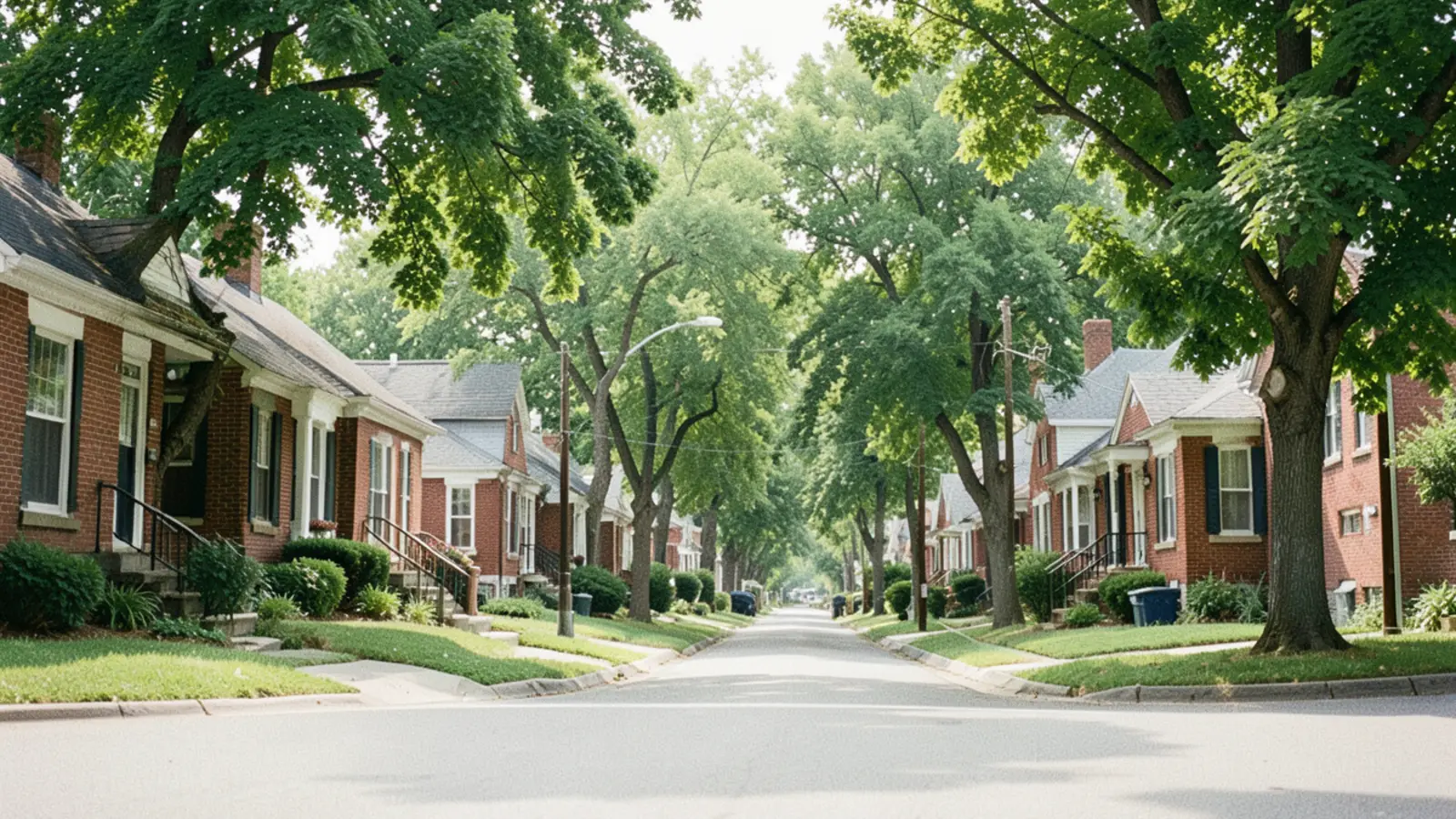
The historic brick bungalows lining the streets of Cicero and Berwyn represent one of the architectural treasures of Chicagoland. Built during the boom years of the 1910s and 1920s, these homes have endured for a century. However, beneath the manicured parkway grass lies an invisible vulnerability: original vitrified clay sewer laterals whose weathered joints serve as an open invitation for aggressive tree roots.Architecture of the Chicago Bungalow Belt: 100-Year-Old Clay Pipes
When brick bungalows were constructed across Cicero and Berwyn during the rapid residential expansion between 1915 and 1930, indoor plumbing was engineered to the highest municipal standards of the early twentieth century. Inside the unfinished basements, heavy extra-heavy cast-iron soil stacks gathered wastewater from upstairs fixtures, dropping into a sub-slab building drain fitted with a front house running trap. Just beyond the brick foundation wall, this pipe transitioned to 4-inch or 6-inch vitrified clay tile for the underground run across the front lawn to the municipal combined sewer beneath the street.
Vitrified clay was chosen because it was impervious to sewer gas corrosion, acid attack, and abrasive scouring. However, manufacturing constraints of the era meant clay pipes were produced in short 2-foot or 3-foot stick lengths. Each pipe section featured a bell-and-spigot collar joined by packing tarred jute rope (oakum) into the hub gap and sealing it with Portland cement mortar. In typical 25-foot to 30-foot bungalow lots along Cermak Road, 16th Street, or 26th Street, a standard 45-foot front lateral contains between 15 and 22 separate joint collars, each representing a potential point of mortar fatigue.
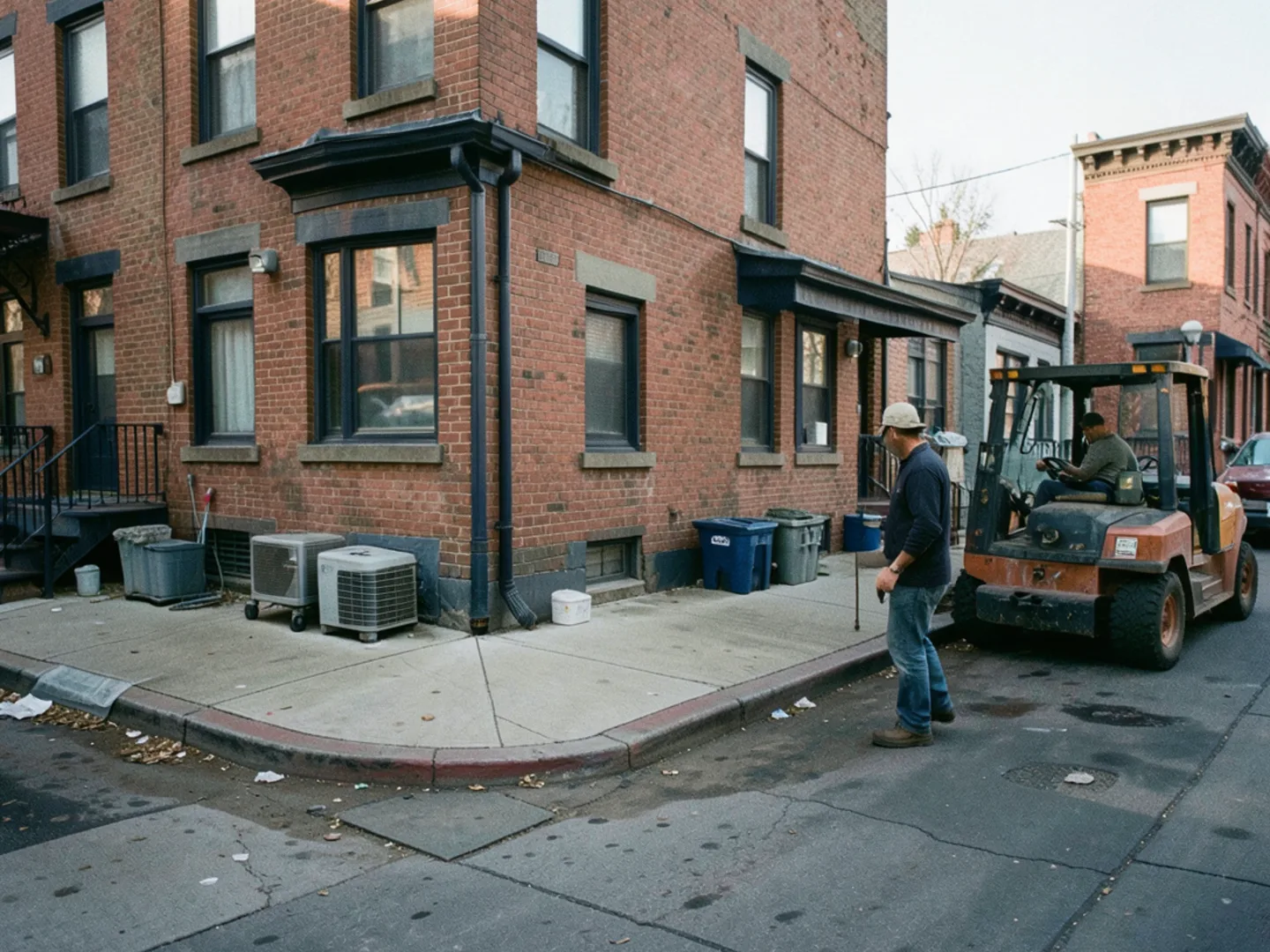
Figure 01: Diagnostic field reference for Why Cicero and Berwyn Bungalows Get Tree Roots in the SewerField Reference
Active Drainage Problem?
Speak with our south suburban dispatch coordinator
Free to call · Connected with independent local drain contractors
Free to call
No obligation
Independent local contractors
24/7 emergency dispatch
Written estimates on-site
Why Parkway Trees Target Mortar Joints Between Pipe Hubs
Over a century of severe Chicagoland winters, soil frost lines penetrate 36 to 42 inches into the earth, followed by rapid springtime freeze-thaw cycles. This ongoing geological shifting causes rigid, unreinforced cement mortar collars to fracture, crack, and crumble. Microscopic volumes of warm water vapor, ammonia, and nutrient-rich sewer gases continuously diffuse through the porous cracks into the surrounding soil matrix.
Mature urban shade trees lining the residential parkways—particularly silver maples (Acer saccharinum), green ash, and American elms planted during the interwar era—possess sprawling root systems engineered to seek out moisture gradients (hydrotropism). In compact urban bungalow lots where the distance between the parkway tree and the underground lateral is often less than 15 feet, trees detect this moisture plume during dry summer months. Microscopic feeder root hairs, as thin as a single thread (under 0.2 millimeters), follow the humidity gradient directly into the fractured joint collar, finding an endless supply of water, warmth, and plant nutrients.
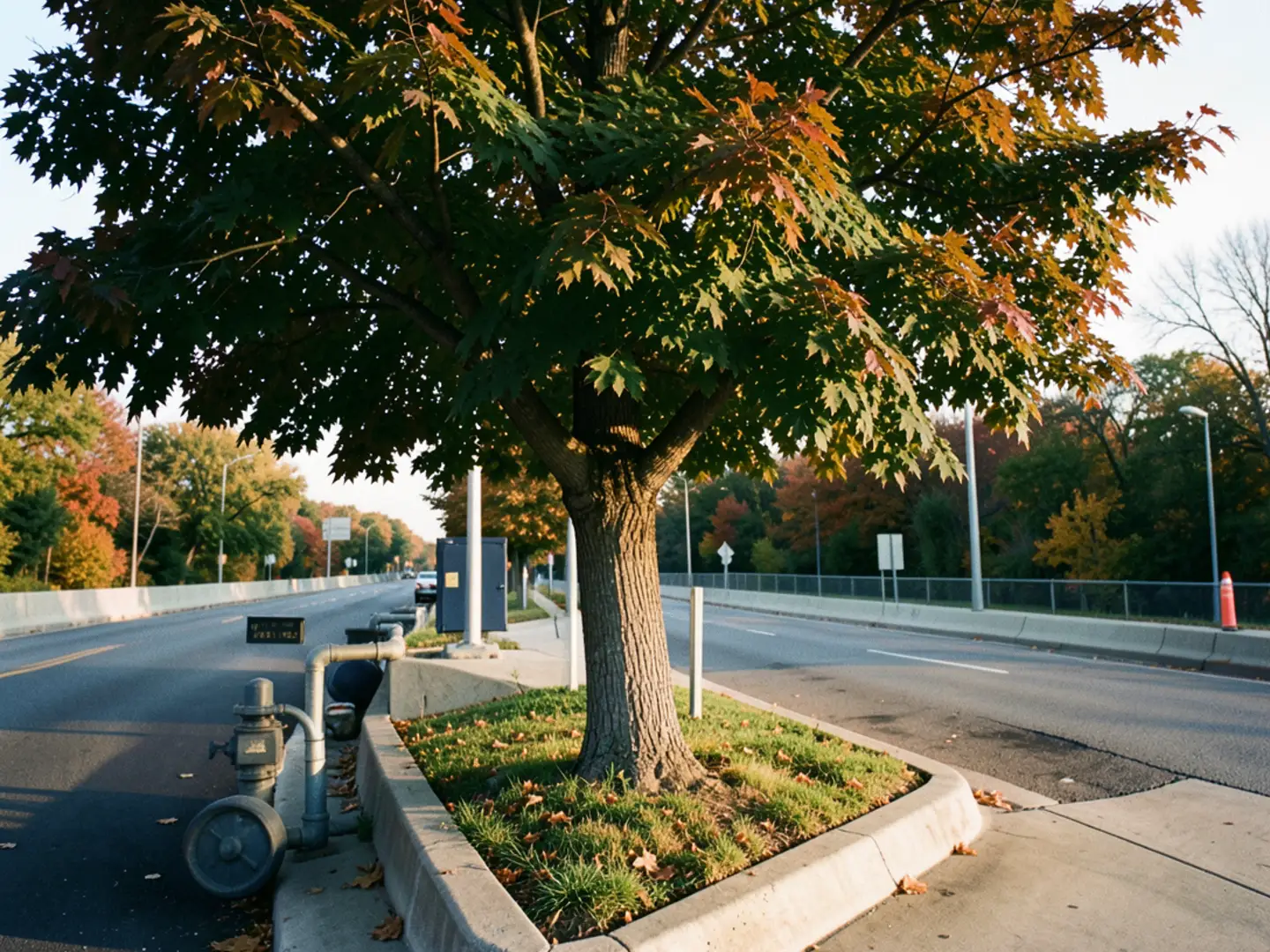
Figure 02: Diagnostic field reference for Why Cicero and Berwyn Bungalows Get Tree Roots in the SewerField Reference
Hairline Feeder Roots vs. Pipe-Choking Taproot Masses
Tree roots do not punch holes through intact vitrified clay pipe walls; they enter as delicate, microscopic root hairs through mortar separations. However, once inside the oxygen-rich, nutrient-dense hollow of the sewer line, root cellular division accelerates exponentially. The root hairs multiply into dense, multi-branched root tapestries that mimic the cylindrical shape of the pipe.
Over several growing seasons, these fine fibers thicken into dense, woody taproot bundles. As the root mass expands within the pipe, it acts as an underground filtration dam, trapping toilet tissue, household cooking grease, lint from laundry discharge, and flushable hygiene products. Eventually, the root barrier becomes completely impervious to water flow. The next time a washing machine discharges 25 gallons of water or multiple upstairs fixtures drain simultaneously, the wastewater strikes this biological dam and surges up through the basement floor drain or laundry sink.
Furthermore, as woody roots thicken within the joint collar itself, they exert outward radial pressure exceeding 60 pounds per square inch, physically cracking the bell hub or forcing adjacent pipe sections out of alignment.
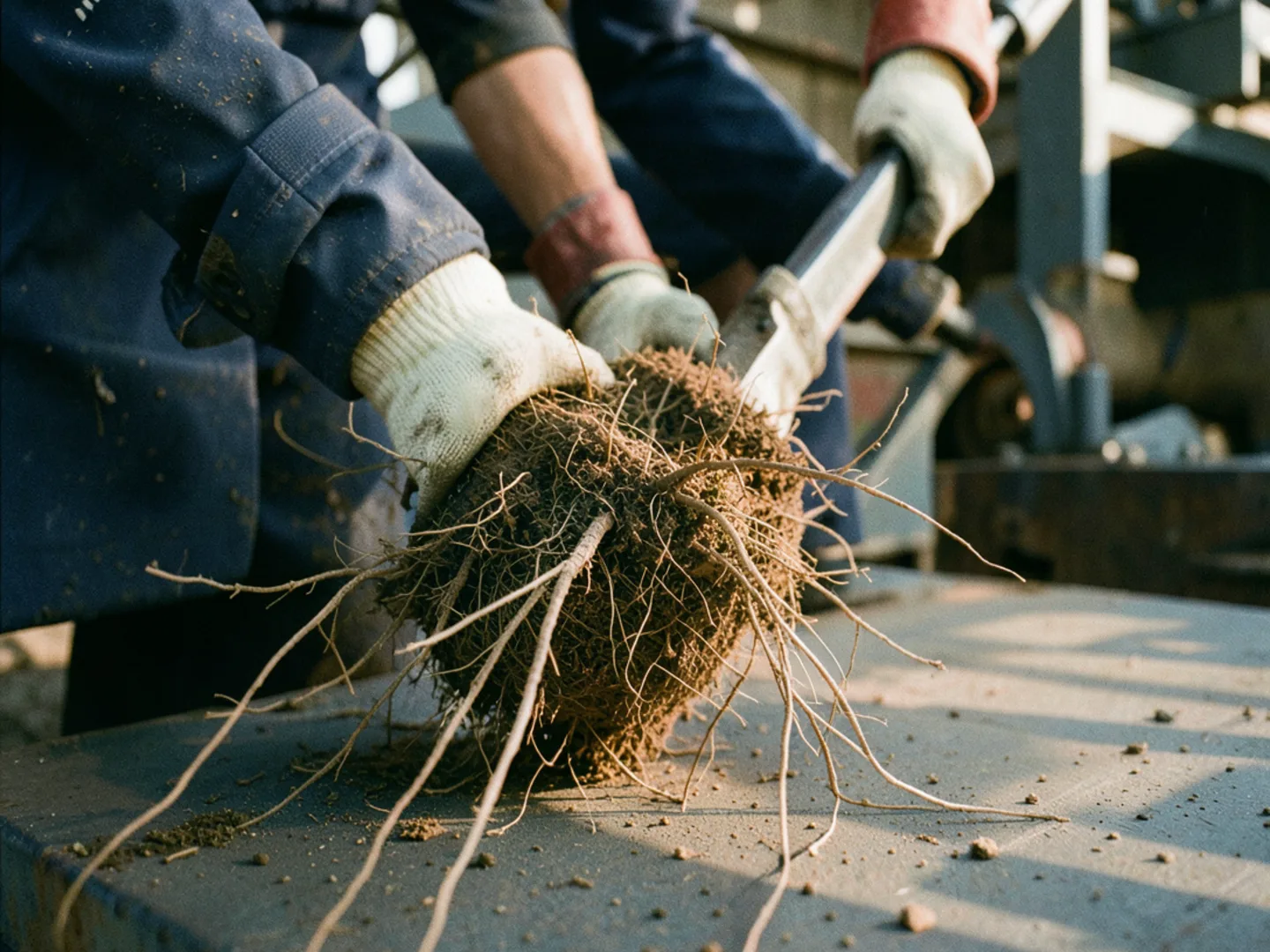
Figure 03: Diagnostic field reference for Why Cicero and Berwyn Bungalows Get Tree Roots in the SewerField Reference
Why Chemical Root Killers Fail and Mechanical Cutting is Required
Bungalow owners in Cicero and Berwyn frequently pour copper sulfate crystals or foaming chemical herbicides down toilets in the hope of avoiding a professional service call. While chemical treatments can dehydrate exposed root tips, they cannot solve an active or advanced root problem.
Liquid chemical root killers travel along the bottom (invert) of the pipe, barely making contact with dense root tapestries that hang suspended from the crown and sides of the lateral. Even when foaming chemicals contact roots, they do not dissolve woody cellulose or dense taproots; they merely kill the root cells. Dead root masses take 12 to 24 months to decay and decompose underground, leaving the mechanical obstruction completely intact to cause repeated basement backups.
The only proven engineering method to restore full hydraulic capacity to an older bungalow sewer line is heavy-duty mechanical rodding. Sectional motorized rodding machines drive 3/4-inch tempered steel cables armed with expanding spring-steel cutting blades sized to the exact 4-inch or 6-inch inner diameter of the clay pipe. Rotating at 200 to 250 RPM, these hardened blades shave root tapestries flush against the vitrified clay walls, cutting away root collars and sending the severed debris safely into the municipal main.
Figure 04: Diagnostic field reference for Why Cicero and Berwyn Bungalows Get Tree Roots in the SewerField Reference
Expert Insights: Long-Term Strategies for Bungalow Root Control
Managing tree root intrusion in a historic brick bungalow requires understanding the practical trade-offs between routine maintenance and permanent structural rehabilitation:
1. Annual Preventative Mechanical Rodding:
For most homeowners, scheduling an annual preventative rodding service call ($225–$350) represents the most practical and cost-effective approach. Annual cutting removes roots before they can form an impervious dam, preventing sudden emergency basement floods while allowing property owners to retain beautiful, shade-providing parkway trees.
2. Exterior Cleanout Riser Retrofit:
Most 1920s bungalows only offer cleanout access via a sub-slab plug in the basement floor, requiring technicians to haul heavy machinery down narrow stairs. Excavating and installing an exterior double-sweep PVC cleanout riser in the front lawn simplifies future service, prevents indoor contamination, and reduces the labor cost of future rodding calls.
3. Trenchless CIPP (Cured-In-Place Pipe) Lining:
For homeowners seeking a permanent solution without digging up established lawns or sidewalks, trenchless CIPP lining installs an epoxy-saturated felt sleeve inside the existing clay pipe. When cured, this forms a seamless, joint-free structural tube inside the old pipe, permanently locking out tree roots for 50+ years. However, a digital camera inspection must first confirm that the clay host pipe has not suffered severe collapses or offsets that would prevent liner expansion.
Parkway Tree Species & Sewer Root Aggressiveness in Cook County
Comparative mechanical metrics and local south suburban cost drivers.
| Tree Species | Root System Characteristics | Sewer Risk Level in Clay Pipes |
|---|---|---|
| Silver Maple (Acer saccharinum) | Aggressive, shallow surface roots; highly attracted to moisture | VERY HIGH — Leading cause of south suburban clogs |
| Green / White Ash (Fraxinus) | Deep, fibrous roots; rapid expansion along shifting joint collars | HIGH — Common across older parkway blocks |
| Willow (Salix) | Extremely invasive water-seeking roots; penetrates minor joint cracks | EXTREME — Avoid planting within 50 ft of lateral |
| Honey Locust (Gleditsia) | Spreading lateral root network; dense woody fibers | MODERATE to HIGH — Frequent in post-war parkways |
| Oak (Quercus rubra/alba) | Deep taproots; slower initial entry but exceptionally woody once inside | MODERATE — Very stubborn to cut once established |
Cited Research & Regulatory Authorities
The technical guidance and municipal standards referenced in this guide are informed by official state, regional, and industry publications:
- Tree Root Damage to Underground Municipal Utilities · University of Illinois Extension Forestry
- Bungalow Belt Historic Building Maintenance Manual · Chicago Bungalow Association
- Vitrified Clay Pipe Engineering Design Handbook · National Clay Pipe Institute (NCPI)